

The Field Archive
Places leave traces too.
Architecture.
Weather.
Light.
Objects.
Season.
Daily use.
Most disappear unnoticed as they change.
The Field Archive preserves these conditions over time.
Each medium records a different aspect of place.
Together, they reveal environments becoming recognizable through duration.
The archive continues to grow because the place continues to change.
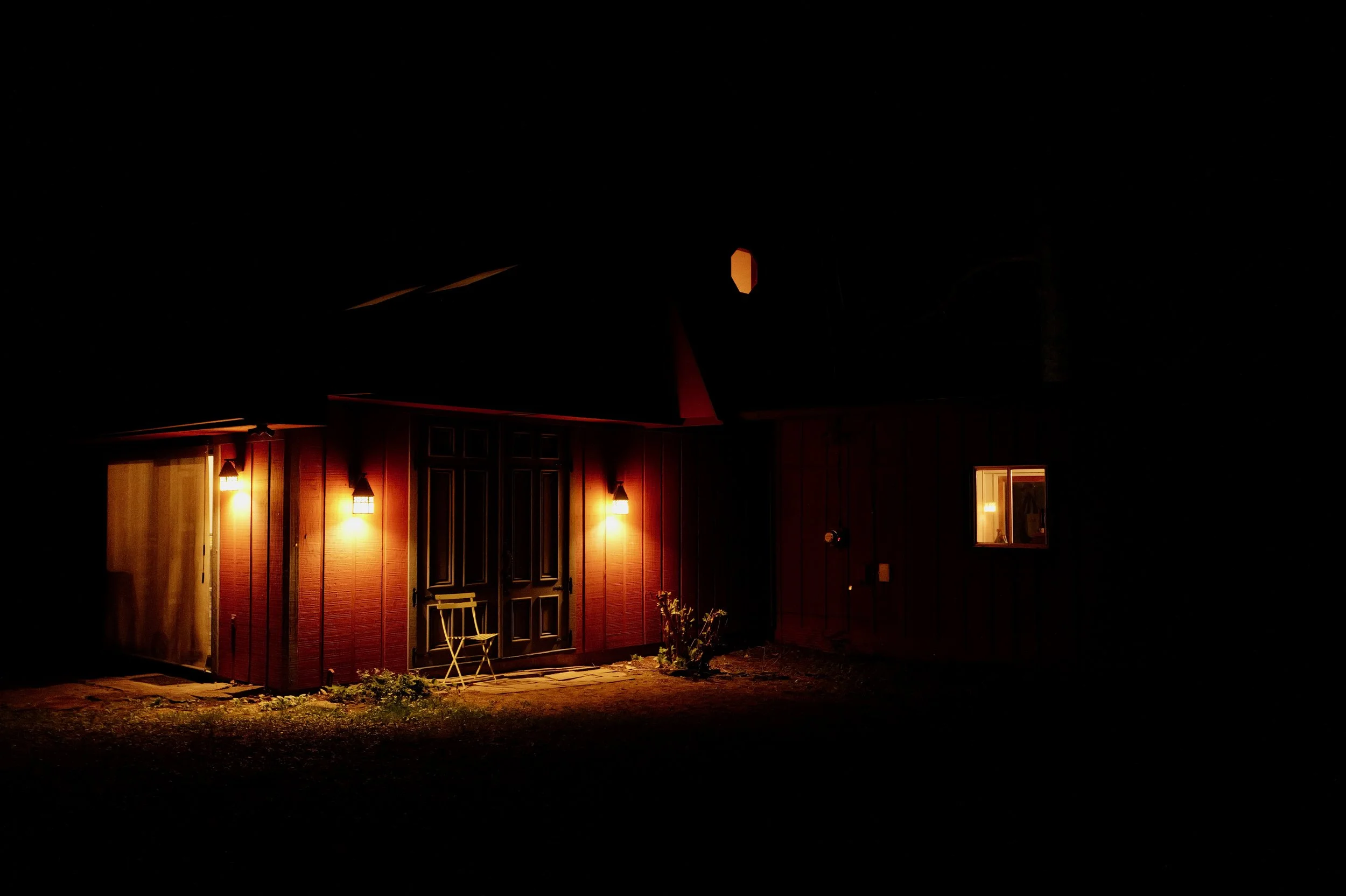
The Rigley Field
The Rigley Field is preserved as it changes over time.
Architecture.
Weather.
Light.
Occupation.
Daily use.
Rather than serving as a backdrop, the site becomes part of the work itself.
The Human Archive records a life.
The Field Archive records the places through which that life unfolds.
The Rigley Field is where those two archives meet.
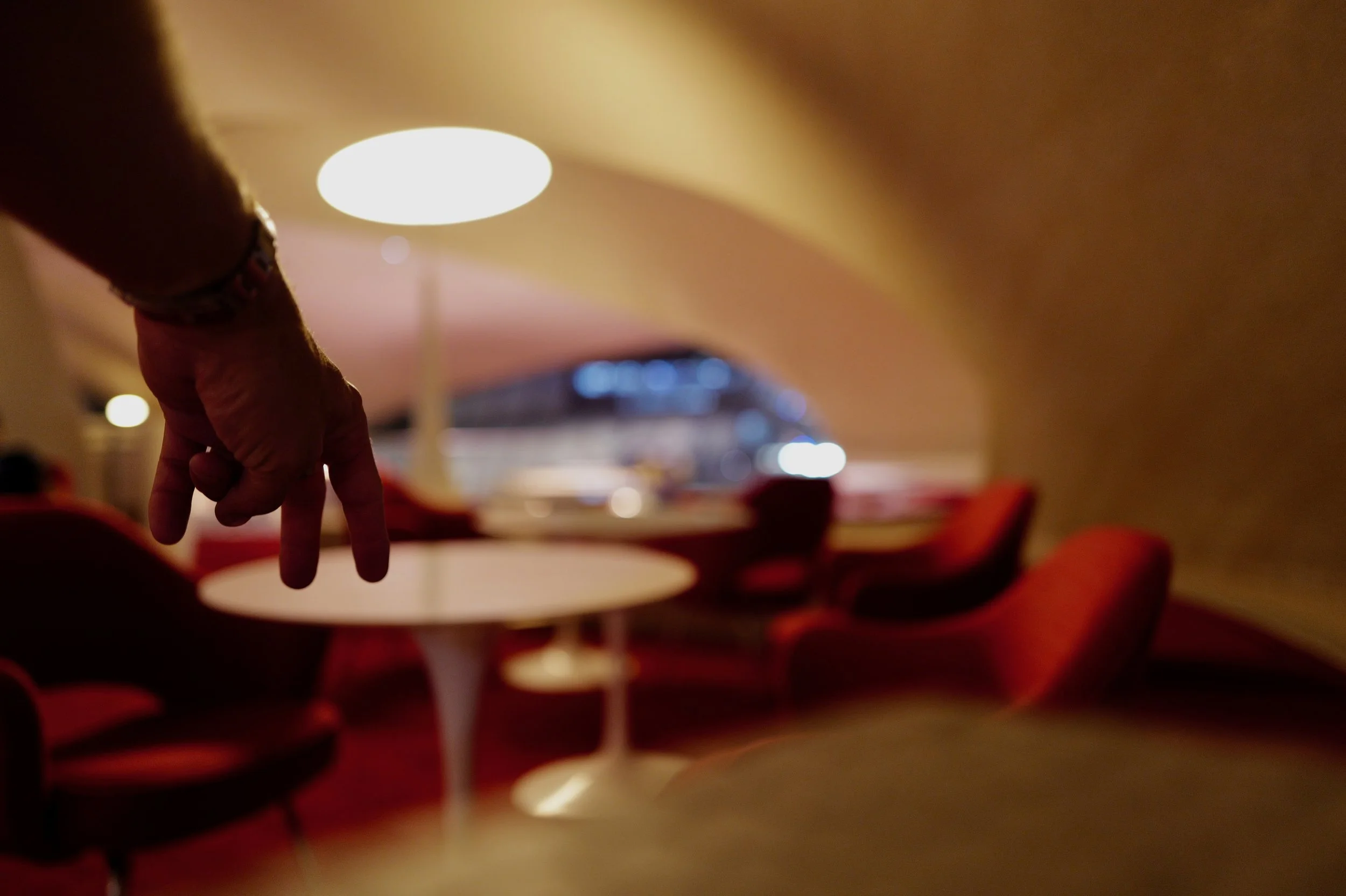
Photography
Photography preserves place as it is encountered.
Landscapes.
Architecture.
Interiors.
Objects.
Light.
Each photograph functions as a perceptual anchor.
Together, relationships within a place begin to appear.
Video
Video preserves duration within place.
Weather.
Movement.
Atmosphere.
Light.
Rather than freezing a place, these works allow it to continue unfolding.