The Non-Human Archive
The Non-Human Archive is anchored in The Rigley Field.
It is the primary site of the project—functioning as studio, archive, and exhibition environment.
The work is made here, installed here, and documented as the space changes over time.
Rather than treating the site as a backdrop, Ezra preserves it as a system—recording renovation, use, and environmental conditions as they occur.
From this foundation, the archive extends outward.
Other locations are encountered through fieldwork—captured as they are experienced and revisited over time.
Together, these sites form a record of place held in duration.
Meaning is not assigned.
It is recognized.
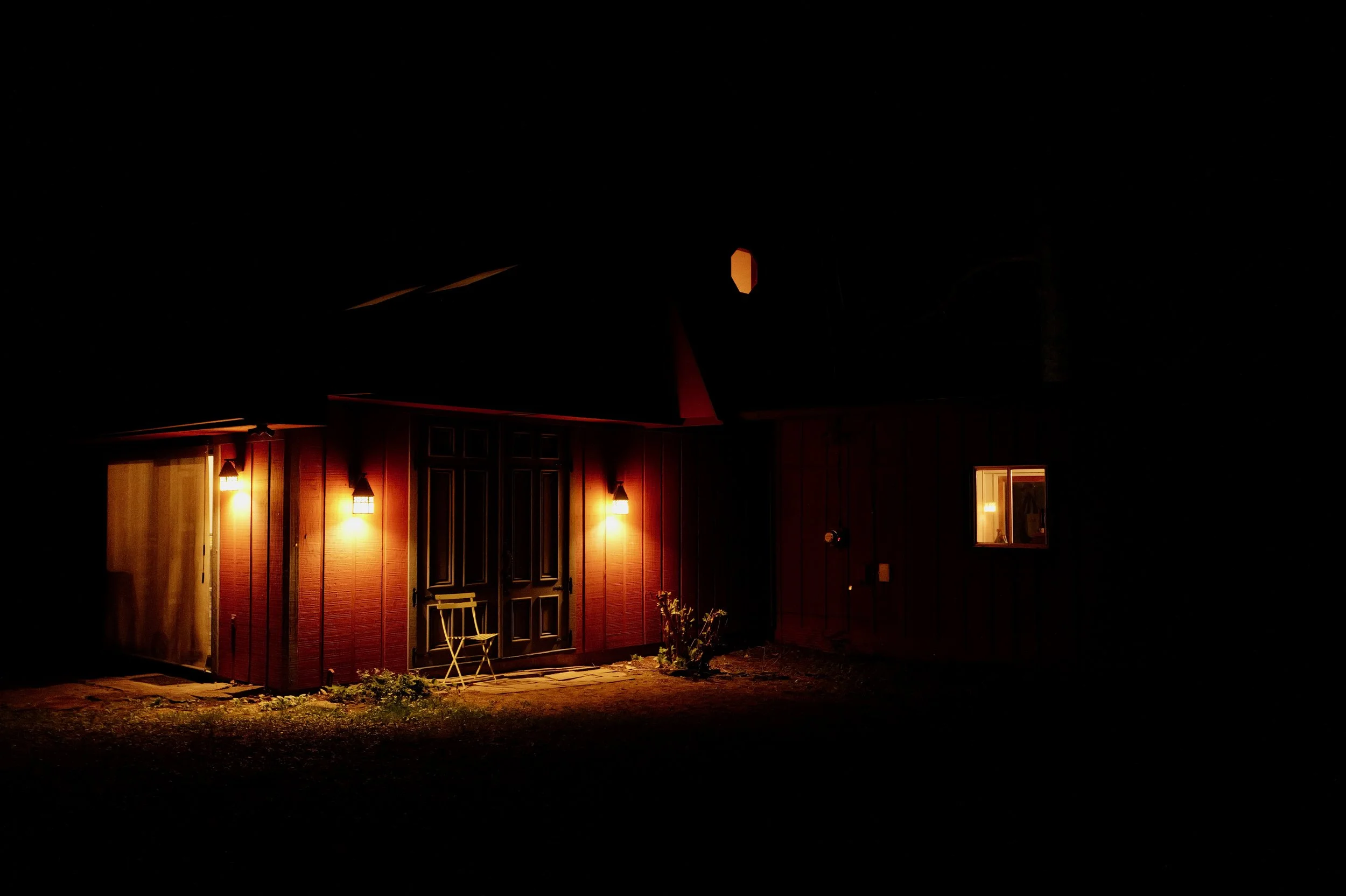
How The Rigley Field Functions
The Rigley Field is documented as it changes over time.
Renovation, occupation, and daily use are captured directly—without staging or resolution.
Floors are removed.
Objects are moved.
Spaces are reconfigured.
Nothing is treated as background.
These changes are preserved as material within the archive, allowing the site to be understood through continuity rather than description.
The work installed within the living room belongs to the Human Archive.
The documentation of the space itself belongs to the Non-Human Archive.
The Rigley Field is the point at which these two systems meet.
It is not a backdrop.
It is an active component of the project.
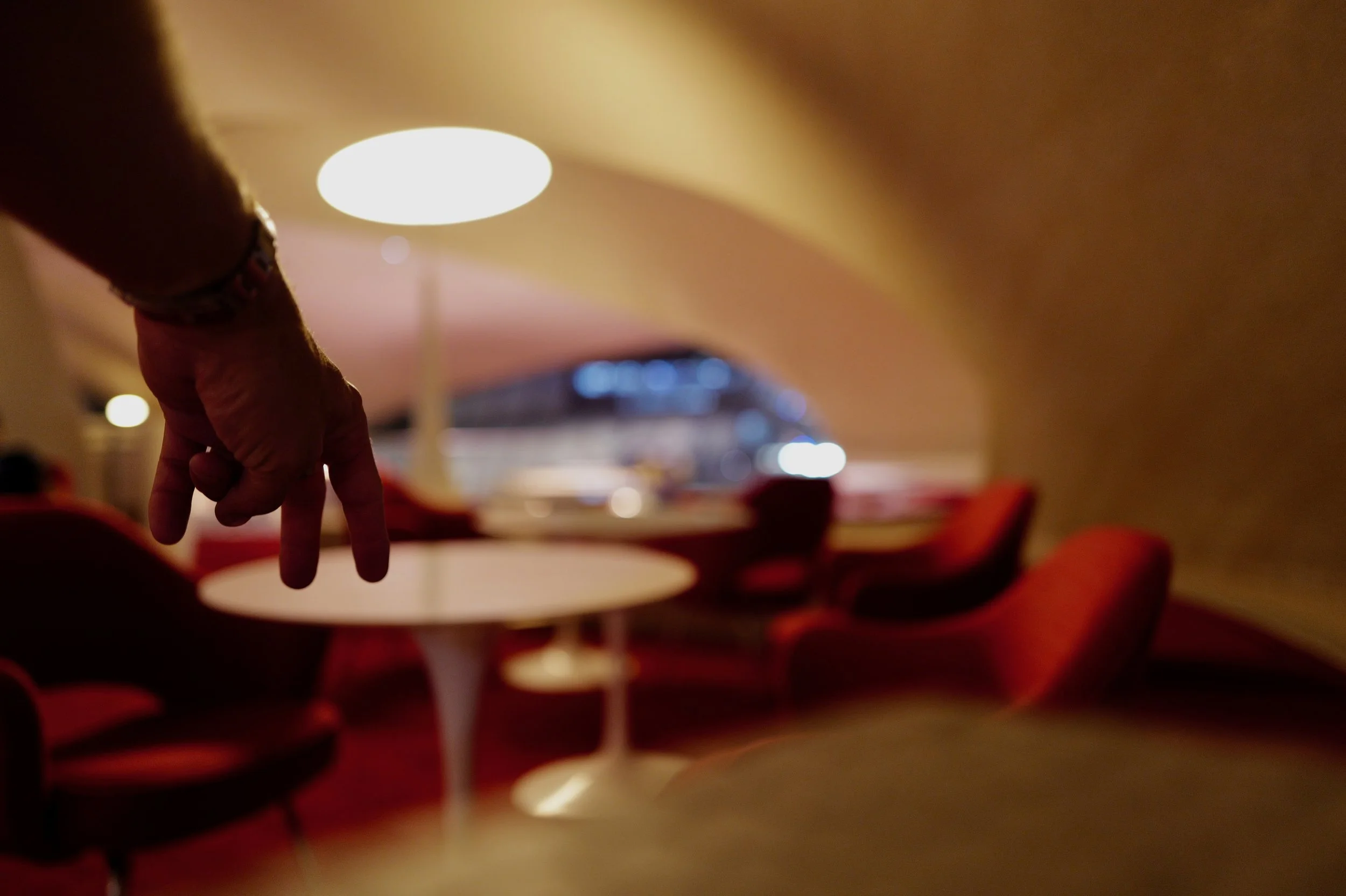
The Photo Field
The Photo Field records places as they change.
Images capture environments, architecture, and conditions in real time—across both The Rigley Field and fieldwork locations.
Meaning emerges through continuity rather than event.
The Video Field
The Video Field records places as they unfold through video.
Clips capture movement, sound, and atmosphere as they occur—holding environments in duration rather than editing them into sequence.