Les Fausses Coincidences
Short film — fictional narrative output
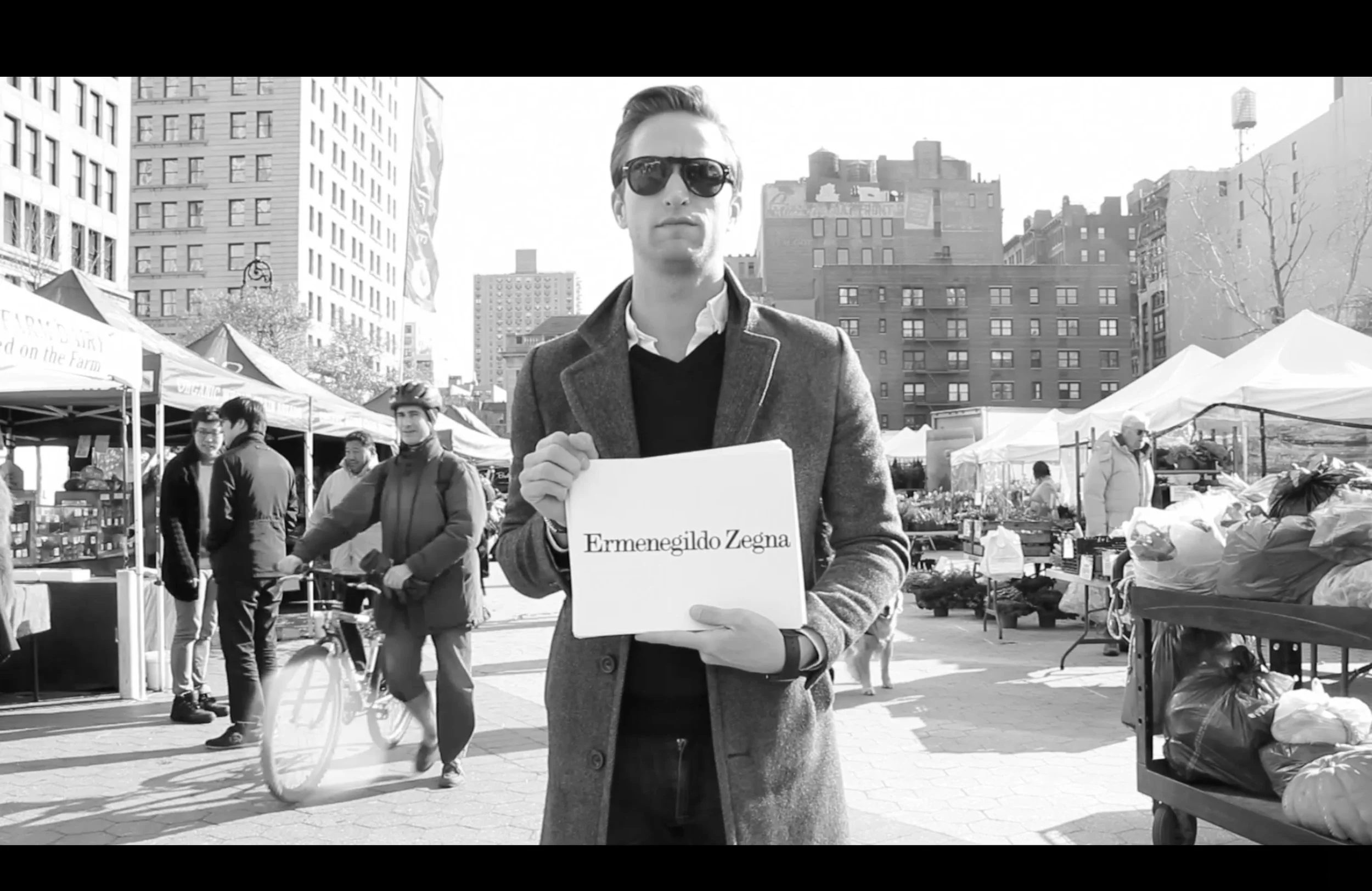
Les Fausses Coïncidences is a six-minute French-language short film written and performed by Seth Dager and Emmanuel Libet. The film was created in the summer of 2012 in Dager’s apartment on Central Park North in New York City as a birthday gift for their friend Amaury, who was celebrating his thirtieth birthday in Paris.
The film unfolds as a semi-fictional phone conversation between Dager and Libet. During the call, the two recount a series of strange coincidences that occurred throughout the day—moments in which each unexpectedly encountered something that reminded them of Amaury.
What begins as casual storytelling quickly becomes absurd.
Both men become convinced that they separately saw Amaury’s favorite actress, Catherine Deneuve, earlier that day. Each recounts the encounter with complete sincerity. Yet the stories contradict each other in subtle ways, and in the dramatized vignettes that accompany the conversation the two friends quietly exchange roles within each other’s memories.
The coincidences multiply.
The certainty remains.
The structure of the film plays with the boundary between recollection and invention. Real traits and habits of Amaury are woven throughout the dialogue, while the events themselves drift further from reality with each retelling.
The final sequence reveals the framing device: the entire conversation has occurred within a dream. The two men wake in the same apartment after having independently experienced the same strange chain of events. Still uncertain what was real and what was imagined, they decide to remain home that evening and watch a Catherine Deneuve film together—mirroring the decision made during the phone call inside the dream.
After the credits, the narrative dissolves completely. The actors appear out of character to wish Amaury a happy birthday as “Dream a Little Dream of Me” by Mama Cass closes the film.
Within the broader Ezra practice, Les Fausses Coïncidences can be understood retrospectively as an early narrative experiment in fictional mode. The film uses real relationships and recognizable details but intentionally rearranges them into an invented sequence of events. Truth remains present in fragments, while the narrative itself becomes playful, ironic, and deliberately unreliable.
The result is not a record of what happened, but a small cinematic construction built from friendship, memory, and coincidence.
Credits
Written by Seth Dager & Emmanuel Libet
Directed by Seth Dager
Edited by Seth Dager
Performed by Seth Dager & Emmanuel Libet